
Geography and Environment of Kenya
Kenya is a country located in East Africa known for its diverse geography and rich natural environment. It features a variety of landscapes, including savannahs, mountains, lakes, and coastal areas. The country’s unique environment supports a wide range of wildlife and plant species, making it a prominent destination for nature lovers and conservation efforts. Kenya’s geographic features significantly influence its climate, agriculture, and overall way of life.
Physical Features and Landforms
Kenya is a country in Eastern Africa renowned for its diverse geography and striking physical features. The country’s landscape includes vast plains, highlands, mountains, and coastlines that contribute to its unique environment. The Great Rift Valley, a major geographical feature, runs through Kenya from the north to the south, creating fertile highlands and deep valleys. Mount Kenya, the highest mountain in the country and the second highest in Africa, stands at 5,199 meters above sea level and is a prominent landform within the central region. Along the coast, the landscape transitions into sandy beaches and coral reefs, supporting a rich marine ecosystem. The terrain is largely characterized by the Central Highlands, the low-lying Coastal Plain, and the western Lake Victoria Basin. These physical features influence climate patterns, biodiversity, and agriculture across Kenya, making it a country of remarkable natural diversity.
Climate and Weather Patterns
Kenya, located in East Africa, is renowned for its diverse geography and rich environmental features. The country’s landscape includes vast savannahs, mountain highlands, and expansive lakes, making it a unique ecological zone. The Great Rift Valley runs through Kenya, creating a varied topography with fertile soils and scenic landscapes. This geographical diversity supports a wide range of flora and fauna, contributing significantly to the country’s vibrant wildlife and tourism industry.
Kenya’s climate and weather patterns are largely influenced by its varied topography and proximity to the equator. The climate can be broadly categorized into several zones:
- Coastal Region: Characterized by a hot and humid tropical climate with high temperatures and seasonal rainfall, especially during the long rains from April to June and the short rains from October to December.
- Inland and Highlands: These areas experience a more temperate climate with cooler temperatures and bimodal rainfall patterns, supporting agriculture and dense settlements.
- Arid and Semi-Arid Regions: Including parts of northern Kenya, these areas are hot and dry with irregular rainfall, making water scarcity a significant issue.
Weather patterns in Kenya tend to follow seasonal cycles, with two main rainy seasons and dry seasons. Overall, the country’s climate supports diverse ecosystems, from lush coastal forests to arid desert landscapes, shaping the country’s environmental and agricultural practices.
Biodiversity and National Parks
Kenya is a country located in East Africa, known for its diverse geography and rich environmental resources. It features a variety of landscapes including savannahs, mountains, lakes, and coastlines, which contribute to its unique ecological makeup. The Great Rift Valley runs through the country, creating fertile grounds and unique geological formations. Nairobi, the capital city, is situated on a highland with a cool climate, while the coastal region is characterized by tropical heat and humidity.
Kenya’s biodiversity is remarkable, hosting a wide array of species due to its varied habitats. It is renowned for its large mammals, including elephants, lions, leopards, giraffes, and rhinoceroses. The country’s wetlands, forests, and plains support thousands of bird species, making it a paradise for birdwatchers. Efforts have been made to protect this biodiversity through conservation initiatives and sustainable practices.
The country is home to numerous national parks and wildlife reserves that are vital for conservation and tourism. Notable parks include the Maasai Mara, Amboseli, Tsavo, and Samburu, each offering unique ecosystems and wildlife experiences. These protected areas serve as critical habitats for endangered species and are pivotal in promoting eco-tourism, which is a significant source of revenue for Kenya. Overall, Kenya’s geography and environment play an essential role in its cultural heritage, economy, and natural beauty.
History and Culture of Kenya
Kenya is a country rich in history and vibrant cultural traditions that reflect its diverse population and ancient heritage. From the timeless traditions of indigenous communities to the influences of colonial history, Kenya offers a unique tapestry of cultural practices, art, and stories. Its historical sites, such as Nairobi’s museums and archaeological sites like Olorgesailie, highlight the country’s important role in human evolution and regional development. The nation’s cultural diversity is celebrated through music, dance, cuisine, and festivals, making Kenya a fascinating destination for those interested in exploring deep-rooted traditions and historical milestones.
Ancient and Colonial History
Kenya, a country rich in history and culture, has a fascinating past that spans thousands of years. The ancient history of Kenya is marked by the development of early human ancestors in the Great Rift Valley, where some of the earliest evidence of hominids has been discovered. These ancient inhabitants laid the foundation for diverse societies that would emerge over centuries. During the medieval period, powerful kingdoms such as the Swahili city-states thrived along the coast, becoming vital centers of trade, culture, and Islamic influence. The arrival of European explorers in the 15th and 16th centuries introduced new contact with the outside world, leading to increased interaction and the eventual arrival of colonial powers. In the late 19th century, Kenya became a British protectorate, marking the beginning of colonial rule that significantly impacted its social, political, and economic structures. The colonial period was characterized by the establishment of settler economies, land alienation, and resistance movements, culminating in Kenya gaining independence in 1963. Today, Kenya’s rich history and diverse cultural heritage reflect a complex tapestry of indigenous traditions and external influences that have shaped the nation’s identity.
Post-Independence Era
Kenya’s history and culture have been profoundly shaped by its diverse ethnic groups, colonial past, and journey to independence. Prior to independence, the country was a British colony, which left a legacy of infrastructure, language, and administrative systems still evident today. The struggle for independence, led by prominent figures such as Jomo Kenyatta, culminated in 1963 when Kenya gained sovereignty, marking a new chapter in its development.
Post-independence, Kenya experienced a period of political and social restructuring. Jomo Kenyatta became the first President, fostering a sense of nationalism and unity among the nation’s numerous ethnic communities. Culturally, Kenya maintained its rich traditions, including vibrant music, dance, and art, which continue to be vital aspects of national identity. The country’s diverse cultural practices are celebrated through festivals, crafts, and culinary traditions.
Economically, Kenya moved toward agriculture, tourism, and manufacturing to build its economy. However, political challenges, including corruption and ethnic tensions, occasionally hampered progress. Despite these hurdles, Kenya has remained resilient, fostering development projects, promoting education, and embracing multiculturalism as core strengths. Today, Kenya’s history reflects a resilient nation that has worked tirelessly to forge a unified identity rooted in its rich cultural heritage and pursuit of progress.
Ethnic Groups and Cultural Heritage
Kenya, located in East Africa, boasts a rich history and diverse cultural heritage that reflects its vibrant and varied population. The country’s history dates back thousands of years, with ancient civilizations such as the Cushites and Nilotes contributing to its cultural foundation. During the 19th century, Kenyan territory became a part of the British Empire, leading to significant colonial influence that shaped its modern development.
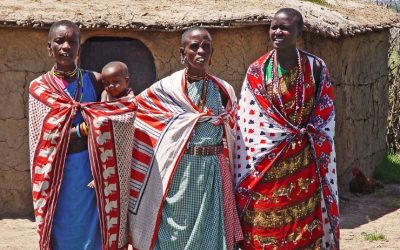
Kenyan culture is deeply rooted in the traditions of its numerous ethnic groups, including the Kikuyu, Luo, Maasai, Kalenjin, and Kikuyu, among others. Each group has unique customs, languages, and social practices that contribute to the country’s multicultural identity. Music, dance, and oral storytelling play vital roles in preserving and passing down cultural heritage from generation to generation.
Festivals and ceremonies, such as the Maasai Lions’ Jumping Dance and Kikuyu circumcision rites, highlight the rich traditions that continue to thrive in Kenya. The country’s cultural diversity is also evident in its art, cuisine, and clothing, which reflect the influences of various ethnic communities and historical periods. Preserving this vibrant cultural heritage remains essential to Kenya’s national identity and global reputation.
Government and Political Structure
Kenya, a vibrant and diverse country in East Africa, has a well-established government and political structure that plays a crucial role in its development and governance. The nation operates as a democratic republic, with a system designed to ensure representation, executive leadership, and the rule of law. Its political framework reflects a blend of traditional values and modern democratic principles, aimed at fostering stability, development, and the protection of citizens’ rights.
Constitution and Political System
Kenya is a republic with a comprehensive government and political structure that ensures the functionality of its democratic processes. It operates under a constitution that was promulgated in 2010, which serves as the supreme law of the land, defining the framework of government, individual rights, and the separation of powers. The country’s political system is a multi-party democracy, allowing various political parties to participate in national and local elections. Kenya’s government is divided into three branches: the Executive, headed by the President who is both the head of state and government; the Legislature, consisting of the National Assembly and the Senate; and the Judiciary, which is independent and tasked with interpreting laws and ensuring justice. This structure aims to promote transparency, accountability, and the rule of law in Kenya’s governance.
Government Institutions and Agencies
Kenya’s government and political structure are designed to ensure a democratic governance system that promotes stability, development, and citizen participation. The country’s political framework is based on a constitution that establishes the separation of powers among the executive, legislature, and judiciary, fostering checks and balances within the government.
- President: The head of state and government, responsible for executive functions, appoints cabinet members, and represents Kenya nationally and internationally.
- Parliament: Comprising the National Assembly and the Senate, it enacts laws, oversees government policies, and approves budgets.
- Judiciary: Independent of the executive and legislature, it interprets laws, upholds justice, and protects constitutional rights.
- Independent Electoral and Boundaries Commission: Manages elections to ensure transparency and fairness.
- Kenya Revenue Authority: Responsible for tax collection and fiscal policies.
- Ethics and Anti-Corruption Commission: Oversees efforts to combat corruption within government institutions.
Major Political Parties and Leaders
Kenya has a democratic government structure with a centralized authority divided into executive, legislative, and judicial branches. The President serves as both the head of state and government, elected through a popular vote for a five-year term. The National Assembly and the Senate form the bicameral Parliament, responsible for making laws and overseeing the executive. The judiciary is independent, with the Supreme Court at its apex, ensuring adherence to the constitution.
Kenya’s major political parties include the Jubilee Party, which has historically been influential, and the Orange Democratic Movement (ODM), known for its significant support base. Other prominent parties encompass the Wiper Democratic Movement, Amani National Congress, and Kenya African National Union. These political parties often alternate in power and play vital roles in shaping the country’s policies and governance.
Leading political figures in Kenya include President William Ruto, who assumed office in 2022, and former President Uhuru Kenyatta, a key figure in recent years’ political landscape. Raila Odinga also remains an influential leader, often serving as a prominent opposition figure and former presidential candidate. These leaders have substantially impacted Kenya’s political direction and development initiatives.
Economy of Kenya
The economy of Kenya is a diverse and rapidly growing sector that plays a vital role in the country’s development. As one of the largest economies in East Africa, Kenya benefits from a mix of agriculture, manufacturing, services, and tourism industries. Its strategic location, abundant natural resources, and expanding infrastructure contribute to its economic progress, making it a key player in the region’s economic landscape.
Key Sectors and Industries
Kenya’s economy is one of the most dynamic in East Africa, characterized by a diverse range of sectors that contribute significantly to its growth. The country has a growing services sector, including tourism, telecommunications, and financial services, which drive much of its economic activity. Agriculture remains a vital industry, providing employment to a large portion of the population and contributing to both domestic consumption and exports. Key industries within agriculture include tea, coffee, horticulture, and floriculture, which are major export earners.

The manufacturing sector in Kenya is expanding, with industries such as food processing, textiles, cement, and building materials playing important roles. Additionally, the country has invested heavily in the infrastructure sector, including roads, ports, and energy, to support economic development and regional trade. Tourism is another crucial industry, with Kenya’s rich wildlife, national parks, and scenic landscapes attracting millions of visitors annually. Overall, Kenya’s economy is characterized by a mix of traditional sectors and emerging industries that aim to boost growth, employment, and sustainable development.
Agriculture and Livestock
The economy of Kenya is primarily driven by agriculture, which remains the backbone of the country’s development. Agriculture contributes significantly to Kenya’s GDP, providing employment to the majority of the population, especially in rural areas. The sector includes the cultivation of crops such as tea, coffee, maize, and sugarcane, alongside floriculture and horticulture products that are major export commodities. Kenya’s livestock industry also plays a crucial role, supporting not only food production but also contributing to the livelihoods of many pastoral communities. The livestock sector includes cattle, goats, sheep, and camels, which are vital for meat, milk, and other products. Efforts to modernize agriculture and improve livestock management continue to be essential for boosting Kenya’s economic growth and ensuring food security.
Tourism Industry
Kenya’s economy is one of the most dynamic in East Africa, driven by diverse sectors including agriculture, manufacturing, and services. The country has experienced steady growth over the years, benefiting from its strategic location and robust infrastructure development. Agriculture remains the backbone of Kenya’s economy, employing a significant portion of the population and contributing substantially to export revenues.
The tourism industry in Kenya is a vital component of its economy, attracting millions of visitors annually. Renowned for its rich biodiversity, national parks, and wildlife reserves such as the Maasai Mara, Amboseli, and Tsavo, Kenya offers unparalleled safari experiences. The tourism sector not only generates revenue but also creates employment opportunities and stimulates growth in related sectors such as hospitality, transportation, and local crafts.
Kenya’s government continues to invest in tourism infrastructure and marketing to sustain and enhance its global reputation as a premier tourist destination. Challenges such as political instability and infrastructure gaps are being addressed to ensure continued growth of the industry, which remains a key driver of Kenya’s economic development.
Innovation and Technology
Kenya’s economy is one of the largest and most diversified in East Africa, marked by agriculture, manufacturing, and service sectors. The country has experienced steady growth driven by investments in infrastructure, improved export markets, and a burgeoning middle class. Innovation and technology play a pivotal role in transforming Kenya into an emerging digital economy, with Nairobi often called “Silicon Savannah” due to its vibrant tech scene. The adoption of mobile banking, led by M-Pesa, has revolutionized financial inclusion, allowing millions to access banking services. Additionally, Kenya is advancing in areas like renewable energy, mobile health solutions, and agritech, fostering sustainable development and economic resilience. These technological innovations not only boost productivity but also create opportunities for startups and entrepreneurs, positioning Kenya as a regional hub for innovation and technological progress.
Society and Education
Society and education are fundamental aspects that shape the development of Kenya as a nation. Education serves as a vital tool for empowering individuals and fostering social progress, while societal values influence the accessibility and quality of learning. In Kenya, these two elements are deeply interconnected, reflecting the country’s rich cultural diversity and ongoing efforts to promote equitable opportunities for all citizens.
Demographics and Population Trends
Kenya, a country located in East Africa, is experiencing significant changes in society and education, driven by demographic shifts and population trends. The nation has a young population, with a majority under the age of 25, which presents both opportunities and challenges for social development and educational systems. Rapid population growth has increased demand for educational resources, healthcare, and infrastructure, prompting the government to invest in expanding access and improving quality. The literacy rate has improved over the years, with more children attending school, yet disparities remain between urban and rural areas. As urbanization continues, cities like Nairobi are becoming cultural and economic hubs, influencing societal dynamics and educational priorities. Overall, Kenya’s demographic trends are shaping its social fabric and educational landscape as the country strives for sustainable development amidst ongoing population growth.
Education System and Literacy Rates
Kenya’s society and education system are deeply interconnected, reflecting the country’s efforts to progress and develop its human capital. Education plays a pivotal role in shaping societal values, economic opportunities, and social cohesion among Kenya’s diverse communities. The country’s education system has undergone significant reforms to improve accessibility and quality, aiming to bridge educational disparities across regions and socio-economic groups.
Kenya’s literacy rates have improved substantially over the years, with current figures indicating a literacy rate of around 78% for adults, contributing to a more informed and empowered population. The government continues to invest in primary and secondary education, expanding school enrollment and focusing on inclusive education policies. Despite these advancements, challenges remain in rural areas, where access to quality education and resources can still be limited. Overall, Kenya’s commitment to enhancing its education system is vital for fostering societal development and economic growth in the country.
Health and Social Services
Kenya’s society and education system play a vital role in shaping the nation’s future, emphasizing inclusive development and community participation. Education in Kenya is widely regarded as a key to economic growth, with efforts to improve access and quality across urban and rural areas. The health and social services sectors are continuously evolving to address challenges such as infectious diseases, maternal health, and poverty alleviation, ensuring that vulnerable populations receive adequate support. Collaboration between government agencies and non-governmental organizations helps to expand healthcare coverage and promote social cohesion. Overall, Kenya’s commitment to strengthening its societal frameworks aims to foster sustainable development and improve the well-being of its citizens.
Infrastructure and Development
Kenya’s infrastructure and development play a vital role in shaping the nation’s growth and prosperity. As a rapidly evolving country in East Africa, Kenya is investing in transportation, energy, and technology to boost economic activities and improve the quality of life for its citizens. These developments are crucial for fostering sustainable development and positioning Kenya as a key player in the regional and global economy.
Transport Networks and Connectivity
Kenya has made significant advancements in infrastructure and development, which have greatly enhanced its transport networks and connectivity. The country boasts a well-developed road network that facilitates the movement of goods and people across urban and rural areas. Major highways connect key cities such as Nairobi, Mombasa, and Kisumu, promoting economic activity and regional integration. The expansion of the Standard Gauge Railway (SGR) has revolutionized freight and passenger transit, providing a faster and more efficient alternative to traditional road transport. Additionally, Kenya’s ports, especially the Port of Mombasa, serve as vital gateways to landlocked neighboring countries, boosting trade and commerce. Connectivity extends beyond physical infrastructure to include telecommunications, with widespread mobile network coverage and internet access that support business, education, and social interaction. Overall, Kenya’s focus on developing its infrastructure and transport systems plays a crucial role in fostering economic growth and regional connectivity.
Urban Development and Cities
Kenya has experienced significant growth in infrastructure and urban development over the past few decades. The country has invested in expanding roads, railways, and modernizing its transportation networks to enhance connectivity across regions. Urban centers such as Nairobi and Mombasa have undergone extensive redevelopment, transforming into bustling economic hubs with improved housing, commercial spaces, and public amenities. These developments aim to support the increasing urban population and stimulate economic growth. Furthermore, Kenya’s focus on sustainable urban planning seeks to balance modernization with environmental conservation, ensuring cities remain livable and resilient. Continued investment in infrastructure and urban development is crucial for Kenya’s vision of becoming a middle-income country with balanced regional development and improved quality of life for its citizens.
Energy and Utilities
Kenya has made significant progress in infrastructure and development, focusing on enhancing transportation, communication, and public services to support economic growth. The country has invested heavily in expanding road networks, railway systems, and airports to improve connectivity within the region. In addition, urban development projects aim to boost housing, healthcare, and educational facilities to meet the needs of a growing population.
The energy sector in Kenya has seen remarkable development, particularly through the adoption of renewable energy sources. The country is a leader in geothermal power in Africa, harnessing its volcanic activity to produce clean, sustainable electricity. Wind and solar energy projects have also been successfully implemented, reducing reliance on imported fossil fuels and promoting environmentally friendly solutions.
Utilities infrastructure in Kenya continues to evolve with improvements in water supply, sanitation, and electricity distribution. Efforts to expand access to reliable and affordable power have positively impacted households and businesses across the country. These advancements in energy and utilities are vital for supporting Kenya’s economic activities, regional integration, and overall sustainable development.
Challenges and Opportunities
Kenya faces a variety of challenges and opportunities in its linguistic landscape that reflect its diverse cultural heritage. With multiple languages spoken across the country, including English, Swahili, and numerous indigenous languages, Kenya’s linguistic environment offers unique opportunities for cultural preservation and national cohesion. However, it also presents challenges in education, communication, and integration as the nation seeks to balance modern development with respect for its rich linguistic diversity.
Environmental and Climate Challenges
Kenya faces significant environmental and climate challenges that impact its social and economic development. Persistent droughts, irregular rainfall, and desertification threaten agriculture, which is a primary source of livelihood for many Kenyans. Additionally, deforestation and poaching threaten biodiversity and the sustainability of natural resources. However, these challenges also present opportunities for innovation and resilience-building. Kenya is investing in renewable energy, particularly geothermal and wind power, to reduce reliance on fossil fuels and improve energy access. The country is also engaged in community-led conservation efforts, promoting sustainable land use, and enhancing climate resilience. Addressing these environmental issues through policy, technology, and community participation can help Kenya secure a sustainable future while combating climate change impacts.
Poverty and Economic Inequality
Kenya faces significant challenges related to poverty and economic inequality, which hinder its overall development and social stability. These issues are often driven by disparities in access to education, healthcare, and economic opportunities, particularly between urban and rural areas. Despite these hurdles, Kenya also presents numerous opportunities for growth and transformation. The country has a rapidly growing technology sector, abundant natural resources, and a vibrant entrepreneurial spirit that can be harnessed to reduce inequality. Efforts to improve infrastructure, expand inclusive education, and promote equitable economic policies are vital for transforming challenges into opportunities that foster sustainable development for all Kenyans.
Future Prospects for Growth
Kenya faces a range of challenges that include economic disparities, infrastructure development, and adapting to climate change, which can hinder its growth trajectory. Nonetheless, these challenges also present opportunities for innovation, policy reform, and sustainable development. The country’s rich natural resources, growing tech sector, and strategic location in Africa position it well for future growth. Investment in education and healthcare, alongside improved governance, can unlock the full potential of Kenya’s youthful population. As a result, Kenya has promising prospects for becoming a regional hub for trade, technology, and tourism, paving the way for diverse economic expansion in the years ahead.


0 Comments